By placing resistance artery dysfunction at the root of disease pathogenesis, Qanatpharma is establishing a new scientific framework for cardiovascular medicine and unlocking a therapeutic frontier with broad potential across multiple disease areas
LYRIC-HF targets cognitive impairment as an unaddressed driver of heart failure (HF) progression
Lumacaftor Yields Reversal of Impaired Cerebral Blood Flow in Heart Failure Patients
A Randomized, Placebo-Controlled, Double-Blind, Phase II Proof-of-Concept Study to Evaluate the Efficacy and Safety of Lumacaftor in Stable Heart Failure Patients with Reduced Ejection Fraction (HFrEF)
Location: St. Michael's Hospital - Toronto, Canada Principal Investigator: Dr. Kim Connelly, MBBS, PhD, FSCMR, FCCS Recruitment: Q2 2026 - Q2 2027
Resistance artery dysfunction is a vastly unexplored therapeutic domain underlying many unmet medical needs
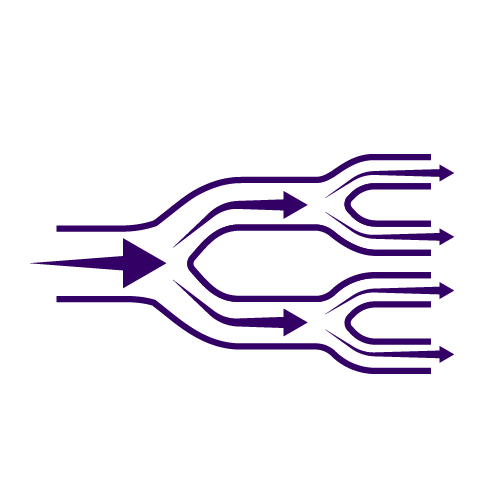
The Microcirculation
The term “microcirculation” describes an arrangement of highly specialized blood vessels, that are designed to maintain constant conditions pivotal for the exchange processes vital to tissue survival.
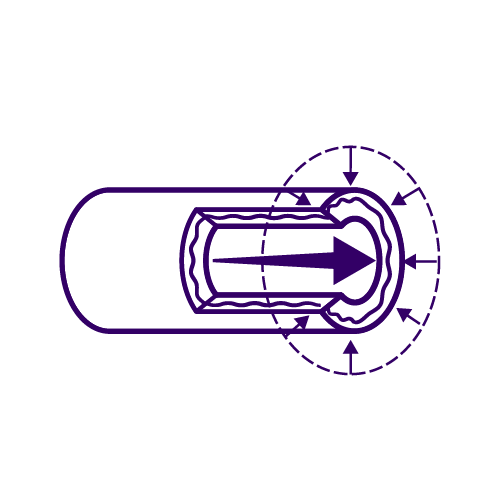
Resistance Arteries
At 10-250 microns in diameter, resistance arteries are main control points located just before the capillaries where the exchange processes occur, regulating capillary/organ pressure and flow as well as systemic blood pressure.
Myogenic Response
Smooth muscle cells within the resistance artery wall actively adjust their level of contraction to the prevalent pressure level. This intrinsic “myogenic” mechanism dynamically regulates microvascular resistance to keep blood flow constant over a wide range of pressures.
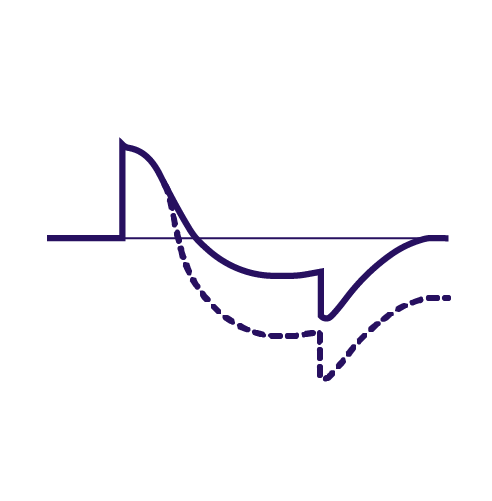
Microvascular Dysfunction
Microvascular dysfunction is a primary driver of disease progression and negative clinical outcomes. QP’s proprietary approaches focus on mechanism-based treatments that normalize myogenic responsiveness to restore normal microvascular function.
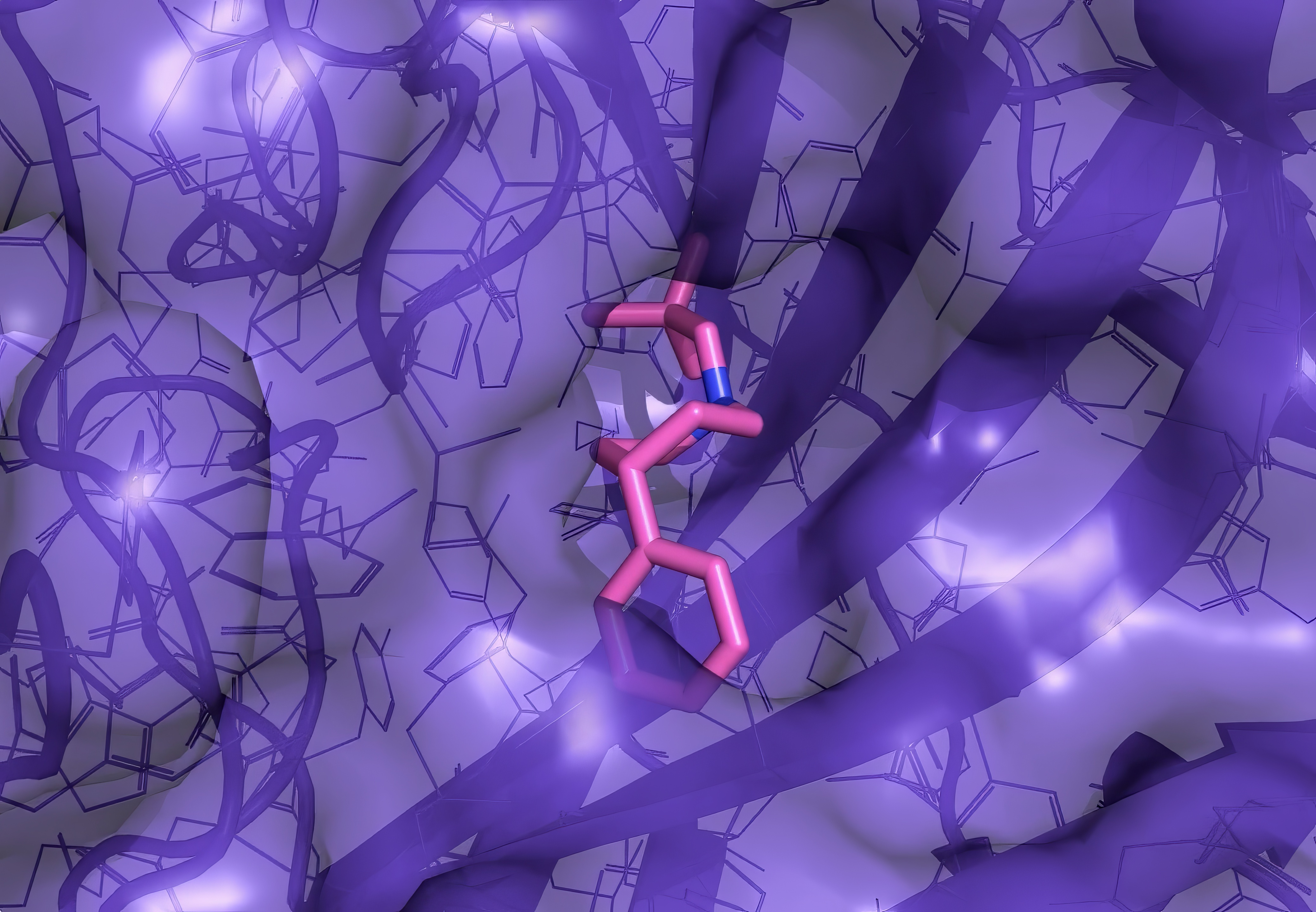
ARTERIOME Platform
The Arteriome platform forms the cornerstone of QP’s research strategy, bringing together bioengineering, microvascular phenotyping, multi-omic profiling, disease modeling, computational biology, and artificial intelligence to decode disease mechanisms and identify transformative therapeutic targets. It is the first comprehensive and deeply integrated framework assembled to decipher the molecular and cellular basis of resistance artery function and dysfunction.
QP leads a drug discovery consortium creating first-in-class small molecule and biologic solutions to restore resistance artery function in various clinical indications. The GENESiS-SAH and GENESiS-HF programs follow on the proof-of-concept provided by LYRIC-HF and utilize generative-AI driven drug design to expand on its novel cerebrovascular treatment approach for hemorrhagic stroke and heart failure.
Oops! Something went wrong while submitting the form.
By clicking "Accept", you agree to the storing of cookies on your device to enhance site navigation, analyze site usage, and assist in marketing. View our Privacy Policy for more information.
.jpg)