QP is paving the way for first-in-class microvascular therapies targeting cerebrovascular conditions

"By building this consortium, we are bringing together the brightest machine learning engineers, chemists, structural biologists, and other experts to tackle a devastating complication of hemorrhagic stroke"
- Dr. Steffen-Sebastian Bolz, Founder and CSO, on the GENESiS-SAH Program

GENESiS Programs

GENErative-AI-Guided Stabilization Cerebral Blood Flow for Improved Survival

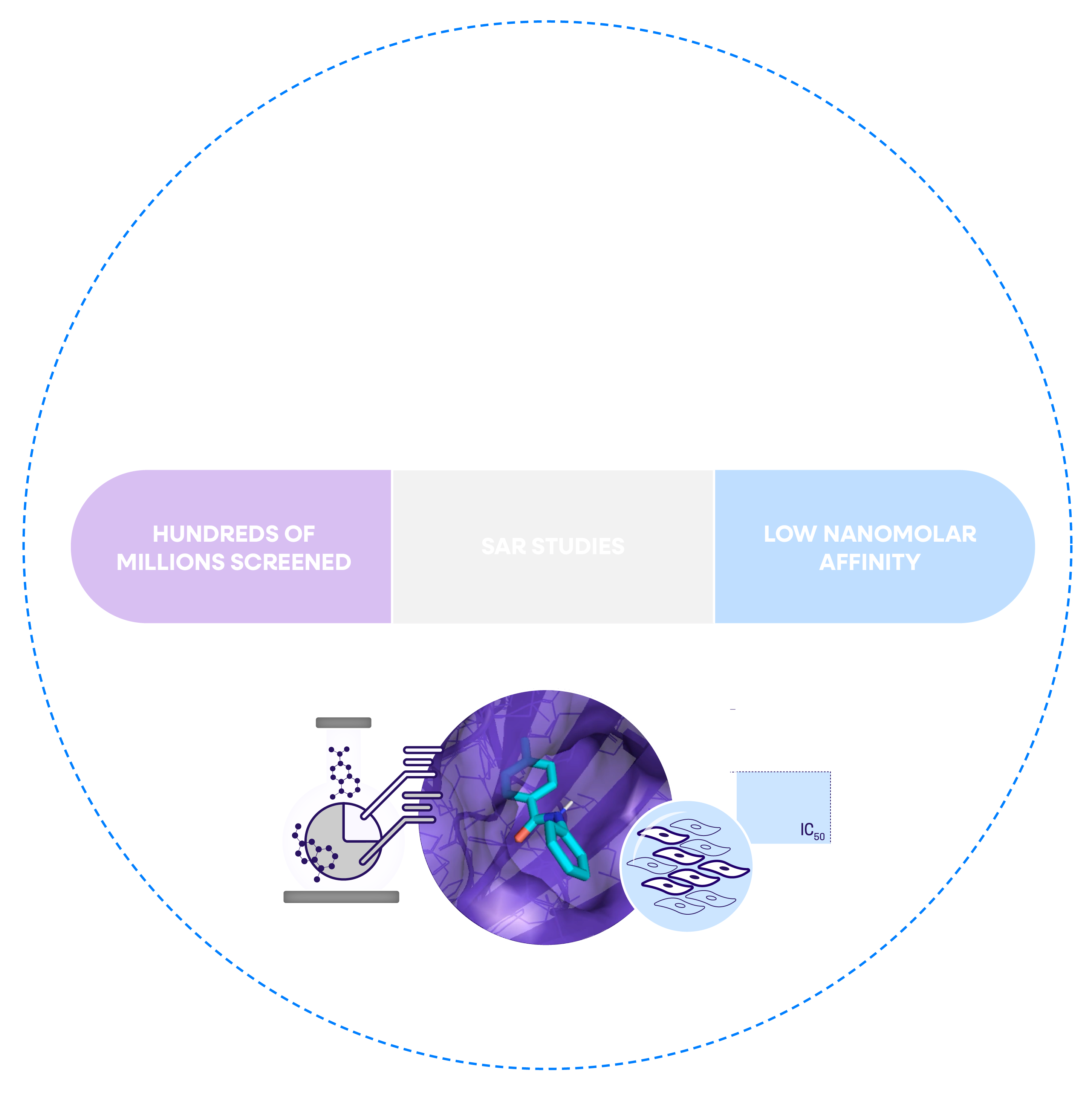
Building off its proprietary drug targets for cerebral blood flow management, QP is collaborating with the Zuse Institute Berlin (ZIB), Enamine Ltd., and Proteros to advance small-molecule solutions for cerebrovascular conditions. The program will kick off with drug development for hemorrhagic stroke, with a parallel development strategy being undertaken for heart failure.

By combining QP's detailed microvascular data with partner expertise, the program benefits from:
  • Generative-AI driven drug discovery
  • Advanced computational modeling
  • Protein sciences
  • Medicinal chemistry
  • Biophysics
  • Biochemistry
  • Cryo-EM structural biology

GENESiS-SAH

QP's research has uncovered a microvascular mechanism driving secondary ischemic strokes—the leading cause of preventable death and disability following subarachnoid hemorrhage (SAH)—that remains inadequately addressed by current therapies.

GENESiS-SAH aims to develop a life-saving therapy that restores cerebral autoregulation and mitigates the systemic consequences of aneurysm rupture.
MORE ON DCI BELOW

GENESiS-HF

QP's foundational work in heart failure (HF) uncovered microvascular mechanisms governing impaired cerebral blood flow autoregulation, which compromises cerebral blood flow and contributes to the development of cognitive impairment (CI).

GENESiS-HF follows on QP's flagship LYRIC-HF program to provide a novel small molecule that is being designed to further optimize its cerebrovascular treatment approach for CI in HF.
MORE ON CI in HF

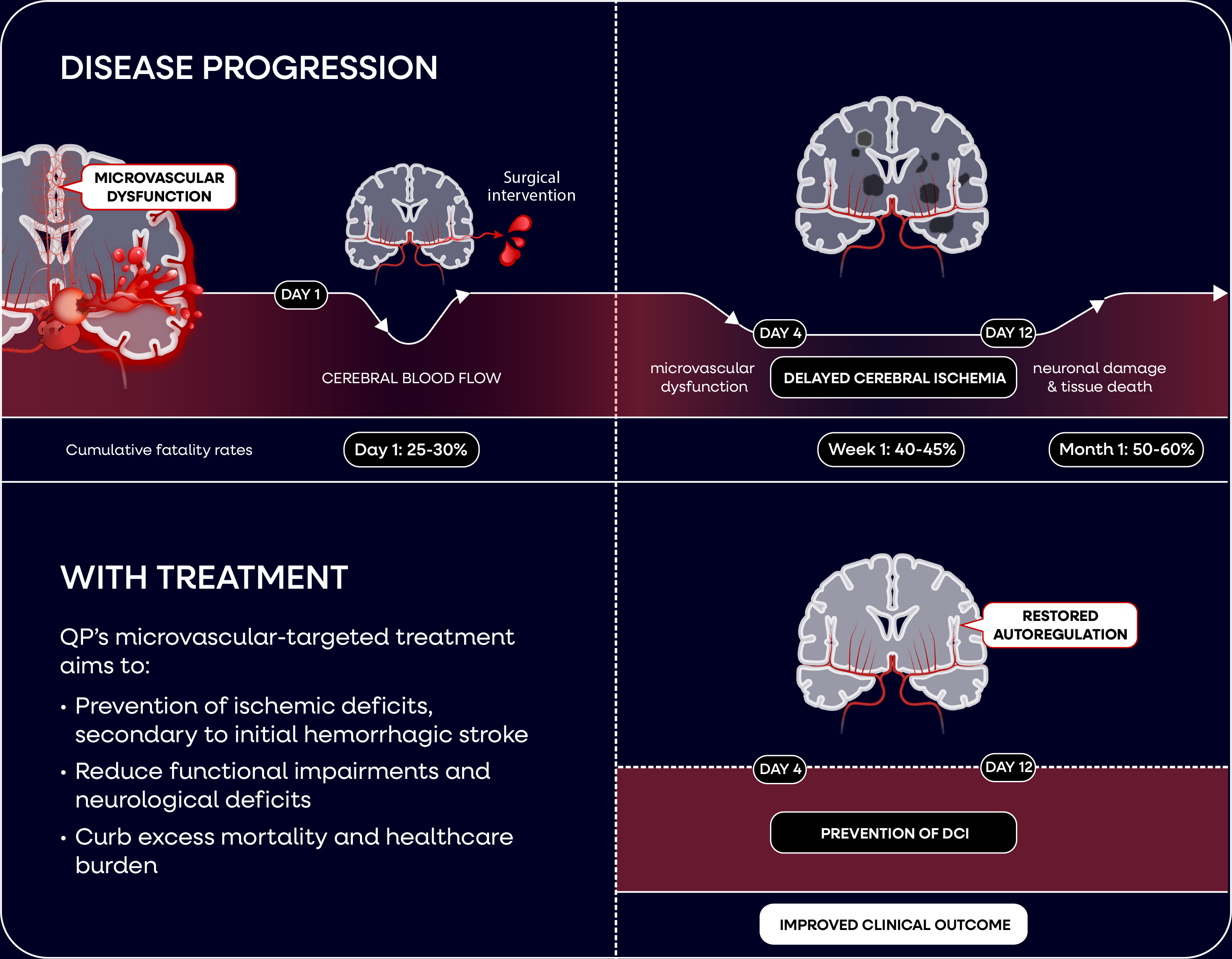
Prevention of Delayed Cerebral Ischemia (DCI) after SAH

DCI remains a leading cause of death and disability for persons surviving a ruptured intracranial aneurysm. DCI develops within 2 weeks following the initial SAH in approximately a third of all patients, and accounts for approximately half of the mortality seen within the first month following SAH.

Nimodipine is the only approved pharmacological therapy for preventing DCI after SAH, which improves neurological outcomes by reducing DCI-related cerebral infarction. However, its efficacy is incomplete, as DCI remains a major cause of death and disability, highlighting the need for therapies that directly target the underlying microvascular dysfunction.

QP's nonclinical studies have demonstrated that impaired cerebral autoregulation via augmented vascular tone following SAH, restricts cerebral blood flow and promotes ischemic injury. Therapeutically restoring cerebral autoregulation represents a novel approach that may confer additional benefits due to its microvascular-specific mechanism of action.