Resistance artery dysfunction is a vastly unexplored therapeutic domain underlying many unmet medical needs
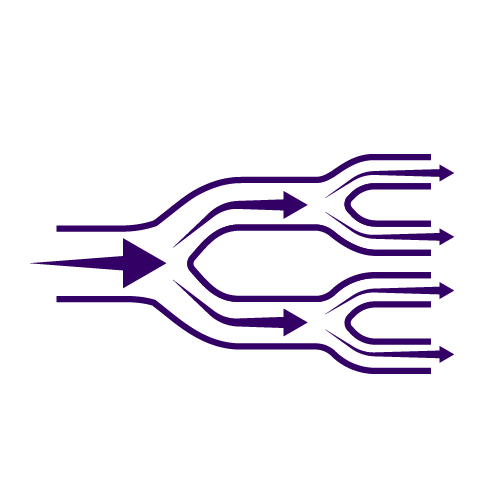
The term “microcirculation” describes an arrangement of highly specialized blood vessels, that are designed to maintain constant conditions pivotal for the exchange processes vital to tissue survival.
At 10-250 microns in diameter, resistance arteries are main control points located just before the capillaries where the exchange processes occur, regulating capillary/organ pressure and flow as well as systemic blood pressure.
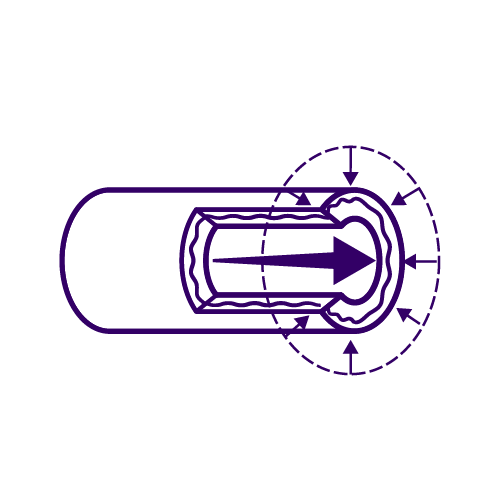
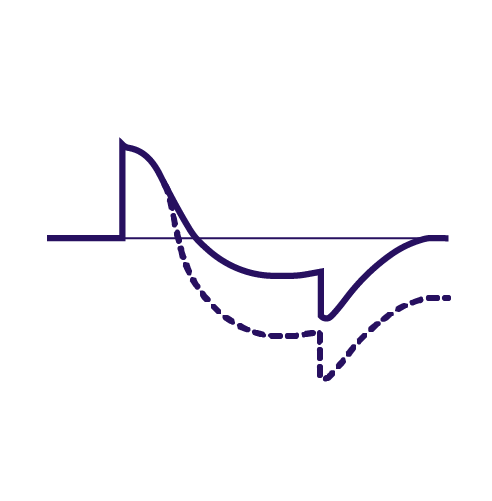
Smooth muscle cells within the resistance artery wall actively adjust their level of contraction to the prevalent pressure level. This intrinsic “myogenic” mechanism dynamically regulates microvascular resistance to keep blood flow constant over a wide range of pressures.
Microvascular Dysfunction
Microvascular dysfunction is a primary driver of disease progression and negative clinical outcomes. QP’s proprietary approaches focus on mechanism-based treatments that normalize myogenic responsiveness to restore normal microvascular function.
.jpg)